
This piece is adapted from the new book, Pranksters vs. Autocrats: Why Dilemma Actions Advance Nonviolent Activism.
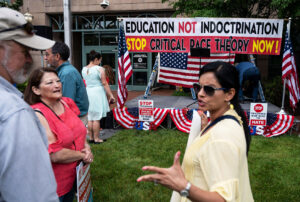
If you have watched the recent footage from postelection protests in Little Rock or Los Angeles, in Dallas or Detroit, the images are by now familiar. Angry crowds chanting with hatred, huge “Black Lives Matter” signs torn and then burnt in front of an ecstatic mob, violent attacks on people who disagree, police forces under siege or using force to arrest protesters.
This Wednesday, as Congress meets to certify the results of the Electoral College, crowds of alt-right protesters will once again descend on D.C. President Donald Trump, in his ongoing denial of the reality of his election loss, has called for a “wild rally” to take place. Violence is likely.
At the core of this situation is a thorny problem: How best to effectively respond to hate speech, xenophobia, racism, and political extremism? The level of delusion and aggression among “Proud Boys”-style protesters logically triggers a response. In many cases, though, counterprotesters have met the alt-right’s anger with anti-alt-right anger, or even violence. The results have been predictably disastrous.