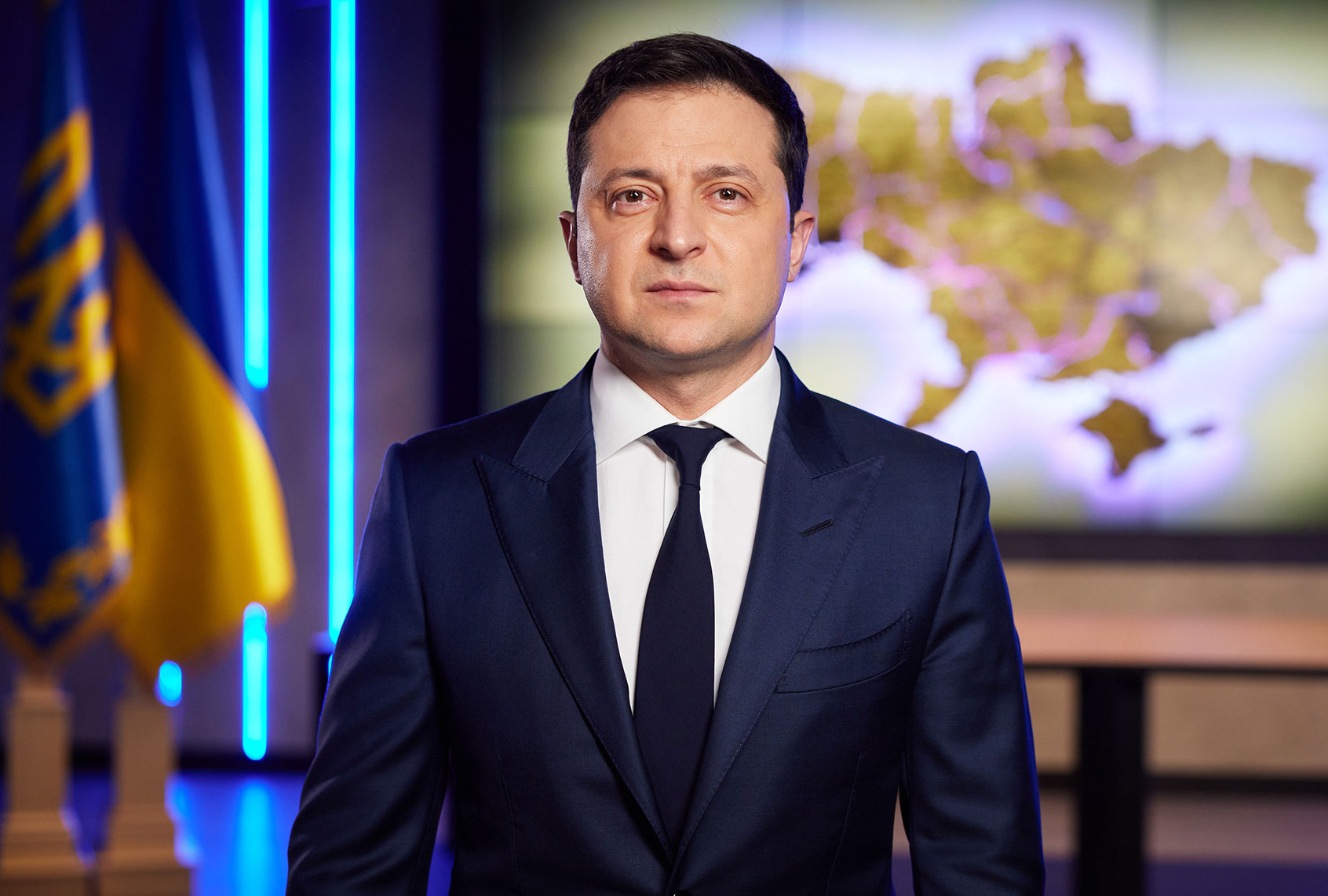
Forget about Paddington for a minute. The comedy that made Zelenskyy famous was also political
My work explores the dynamic relationship between culture and political power—how each shapes the other through media, storytelling, political satire, social movements, and struggles for democracy
Author/editor of 15 books; regular Salon columnist; featured in national and
international media including CNN, NPR, BBC, CBC, Al Jazeera, and PBS NewsHour.
Across cultures and across history, people have used political satire to call out abuses of power, manipulation, deception, and absurdity.
While there are examples of satire everywhere, its growth as a form of political resistance and as a reference for political behavior has been on the rise in the modern era and has been particularly visible in the internet age. Yet, despite the fact that examples of political satire are everywhere, it remains an elusive concept.
How does satire differ from mockery? What is the role of irony in satire? Can making fun of something have a serious impact? What is the purpose of satire and what are its social effects?
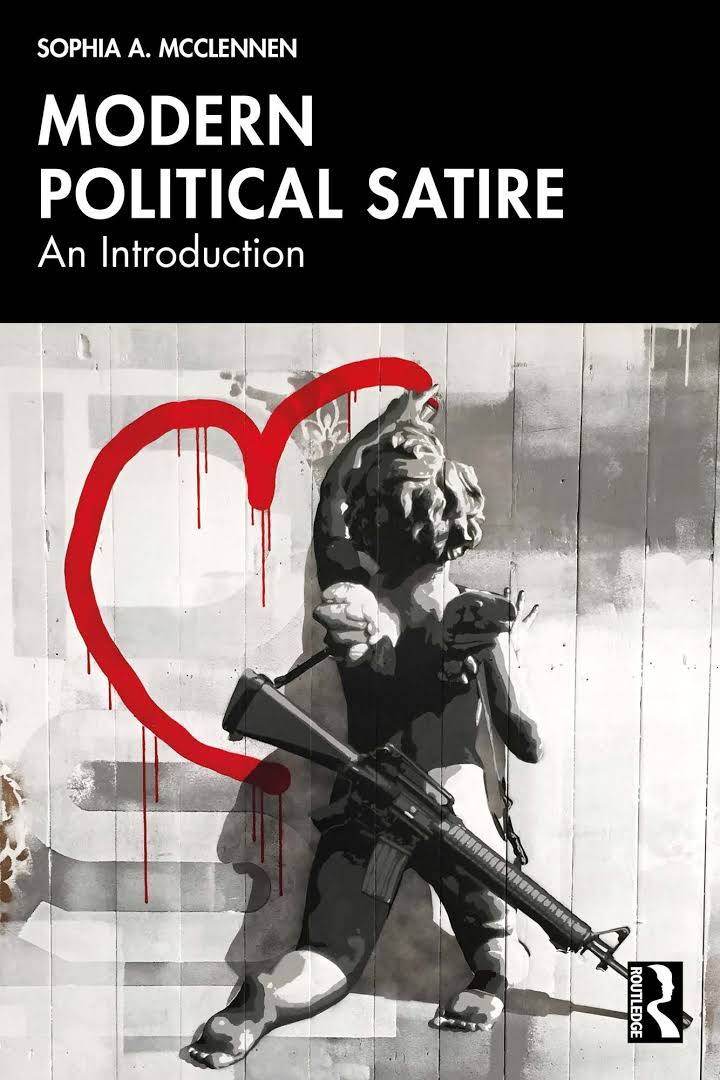
This book offers an introduction to modern political satire in an easy-to-access format designed for both beginners and readers looking to refine their understanding of this complex genre.
Drawing on examples from Stephen Colbert to Bassem Youssef to Charlie Hebdo, and studying a range of different types of satirical media, this one-of-a-kind introduction to political satire examines the role that satire has played in shaping political discourse, promoting civic engagement, and influencing audiences.

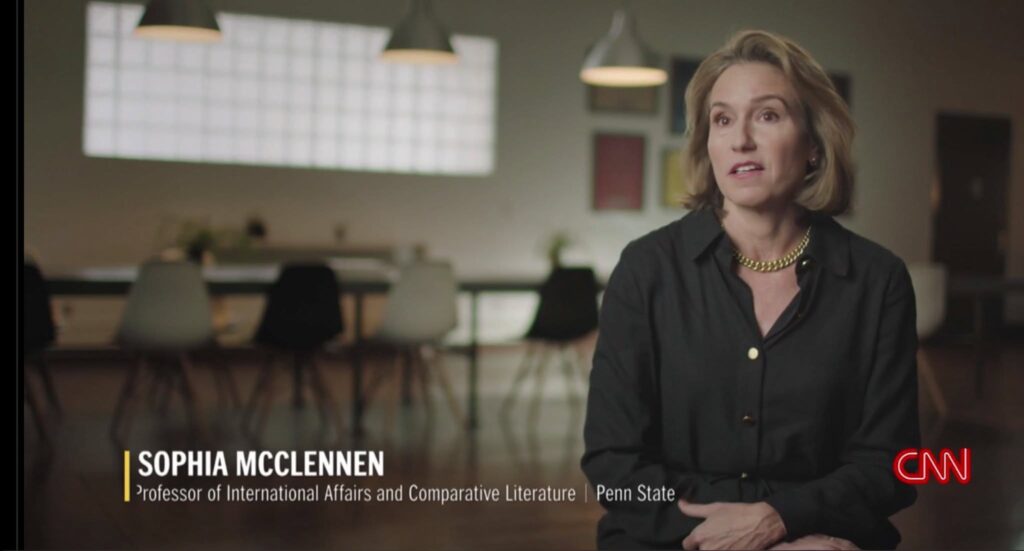
She is Professor of International Affairs and Comparative Literature at Penn State University and founding director of the Center for Global Studies. She has published 14 books, including Trump Was a Joke: How Satire Made Sense of a President Who Didn’t (2023), Pranksters vs. Autocrats: Why Dilemma Actions Advance Nonviolent Activism (2020, with Srdja Popovic), and Globalization and Latin American Cinema (2018).
Selected work on satire, social movements, media, and democracy—connecting academic research with the public conversations that shape our time.

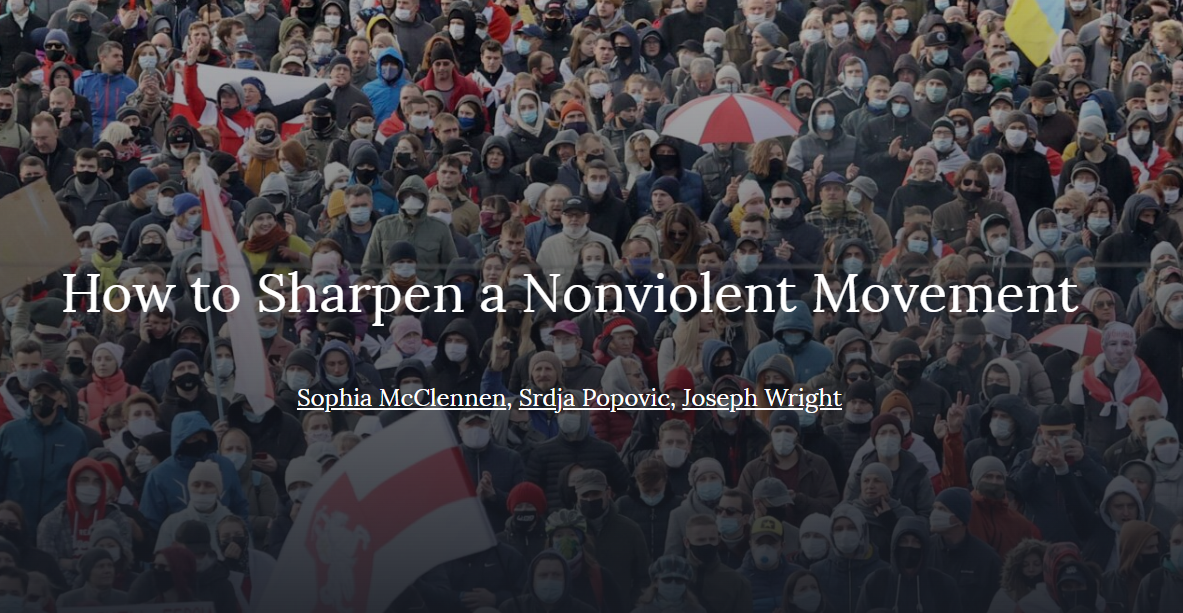
In the past three decades nonviolent social protest has become the most reliable path to democracy. However, not all nonviolent mobilization campaigns succeed. To examine why some nonviolent campaigns are more successful than others, we analyze the use of a particular type of activist campaign tactic, the “dilemma action.” The dilemma action is a nonviolent civil-disobedience tactic that provokes a “response dilemma” for the target.

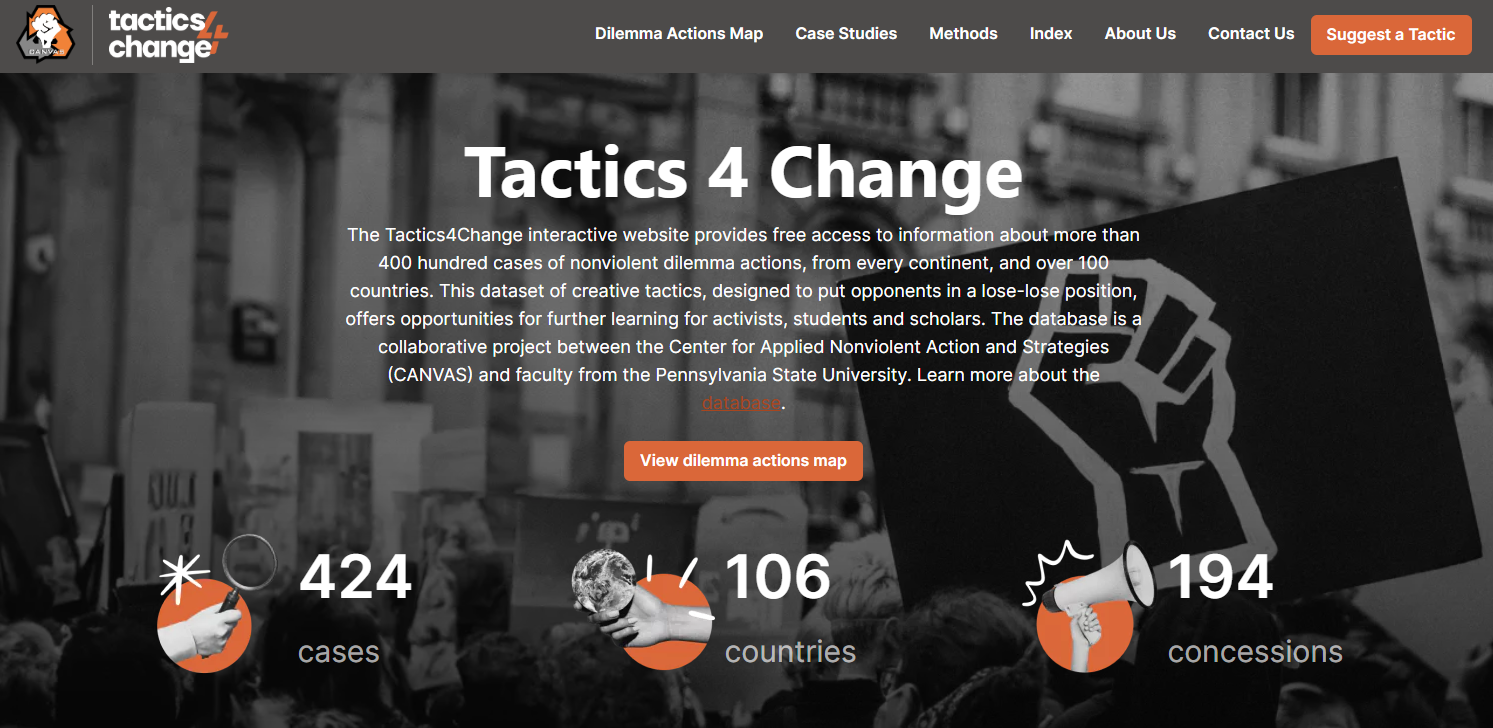
The Tactics4Change interactive website provides free access to information about more than 400 hundred cases of nonviolent dilemma actions, from every continent, and over 100 countries. This dataset of creative tactics, designed to put opponents in a lose-lose position, offers opportunities for further learning for activists, students and scholars. The database is a collaborative project between the Center for Applied Nonviolent Action and Strategies (CANVAS) and faculty from the Pennsylvania State University. Learn more about the database.

For over a decade, Stephen Colbert hosted a late-night show where comedy, politics, and culture collided nightly. This hour explores how he shaped an era of American satire and the impact of one of its most thoughtful voices signing off. Early satire was often cartoons. They're what are today's memes? We have examples of the "Join or Die" cartoon, Ben Franklin tried to make it very clear what would be the point of fighting for independence then we have great examples from New York.
BOOKS
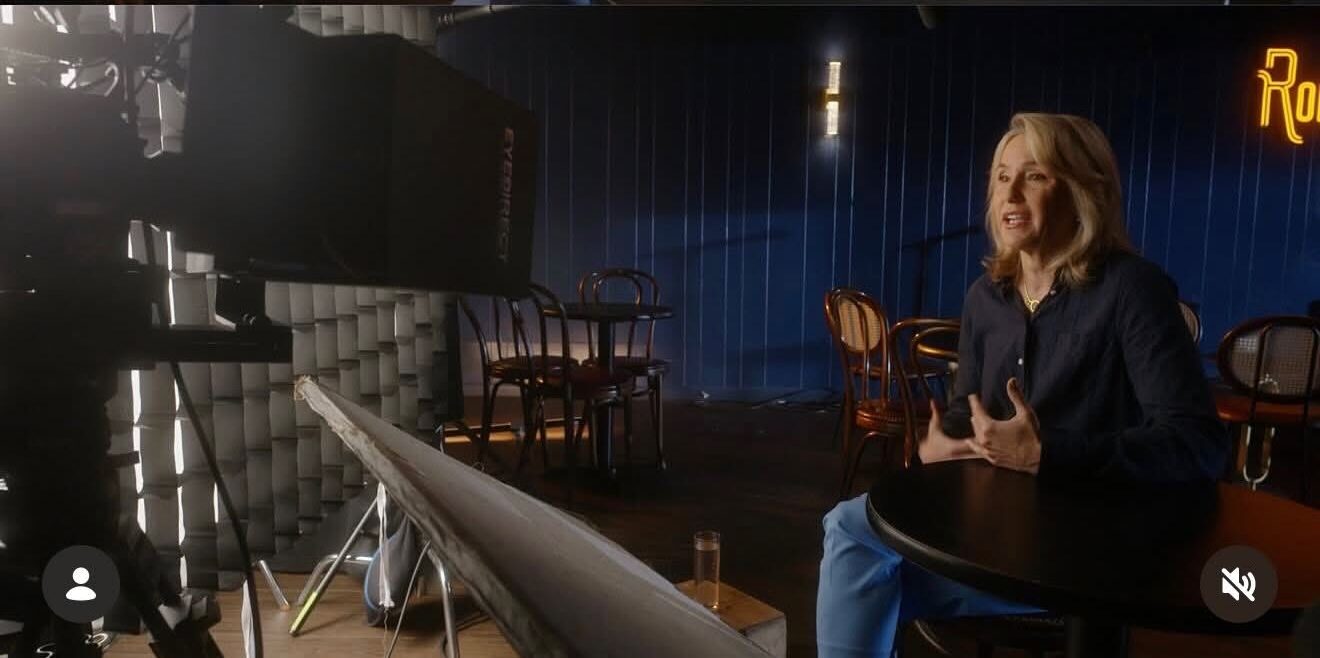
View Sophia’s recent interviews, podcasts and TV appearances, where she unpacks the role of satire, media and culture in contemporary politics.

Forget about Paddington for a minute. The comedy that made Zelenskyy famous was also political

Examines how Donald Trump's presidency transformed the role, limits, and possibilities of political satire.
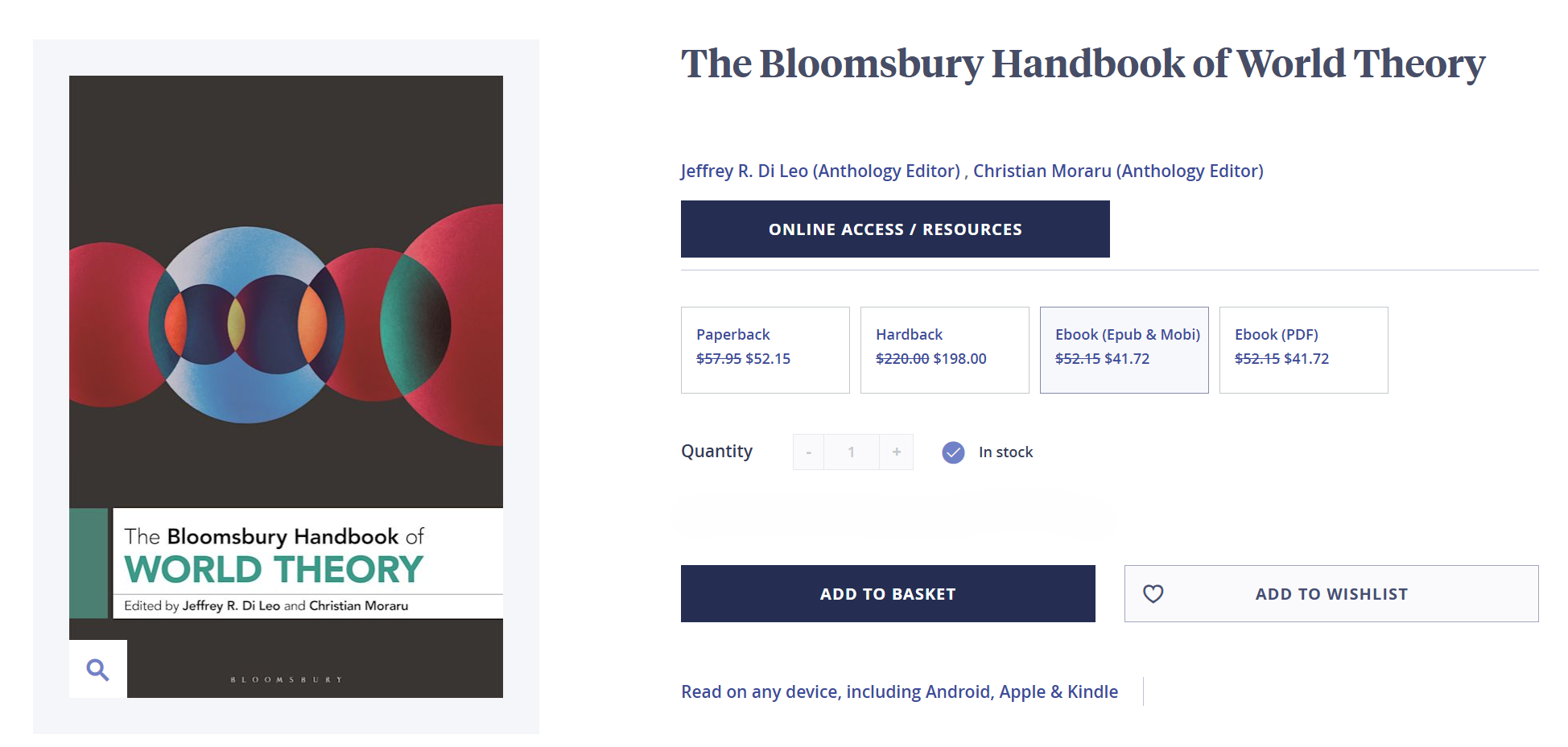
Proposes a broader framework for understanding international relations through literature, culture, and global intellectual traditions rather than state-centered political models.
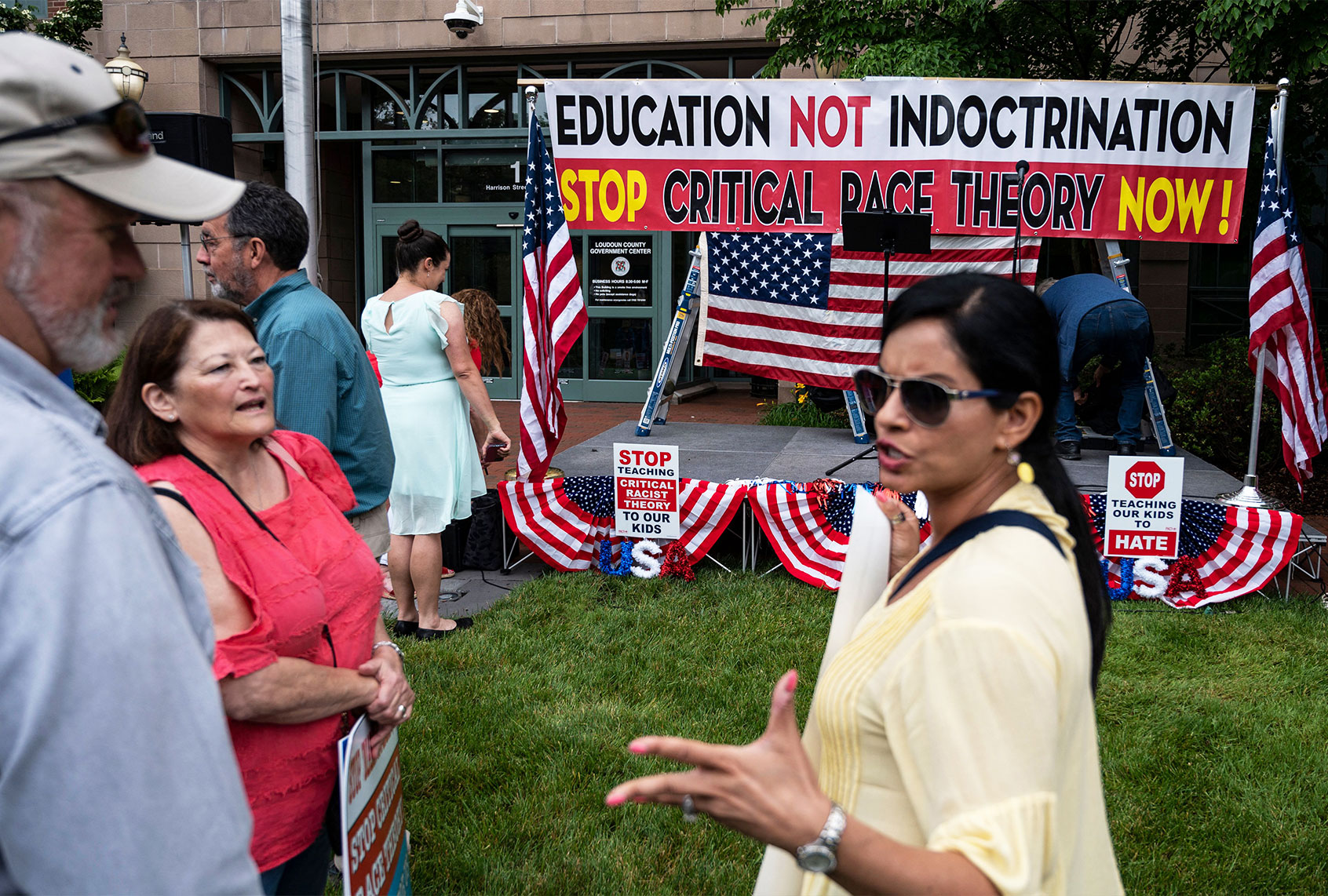
The right only debates with itself: their view and their version of the left. Fighting with that is near impossible

If you have watched the recent footage from postelection protests in Little Rock or Los Angeles, in Dallas or Detroit,...
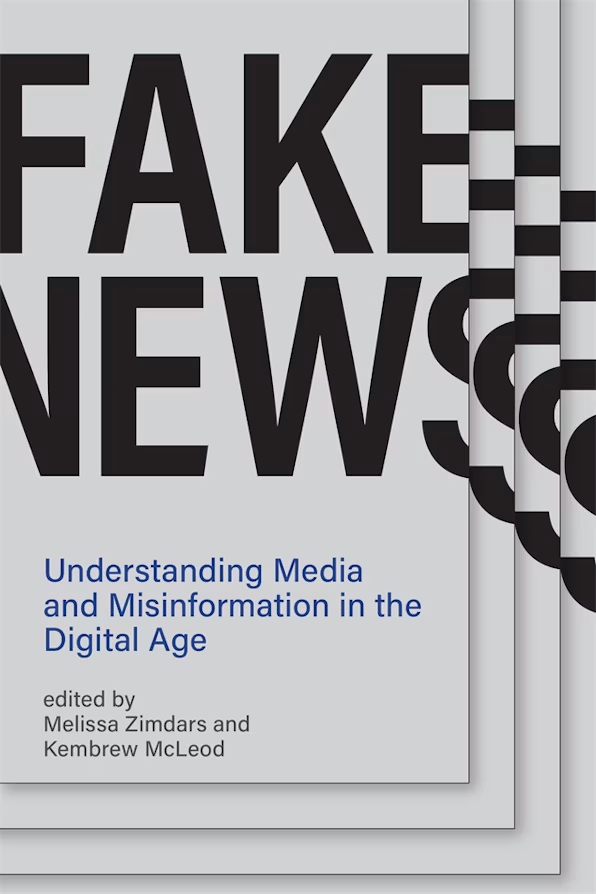
Distinguishes satire from disinformation and explains why political satire can strengthen democratic media rather than undermine it.
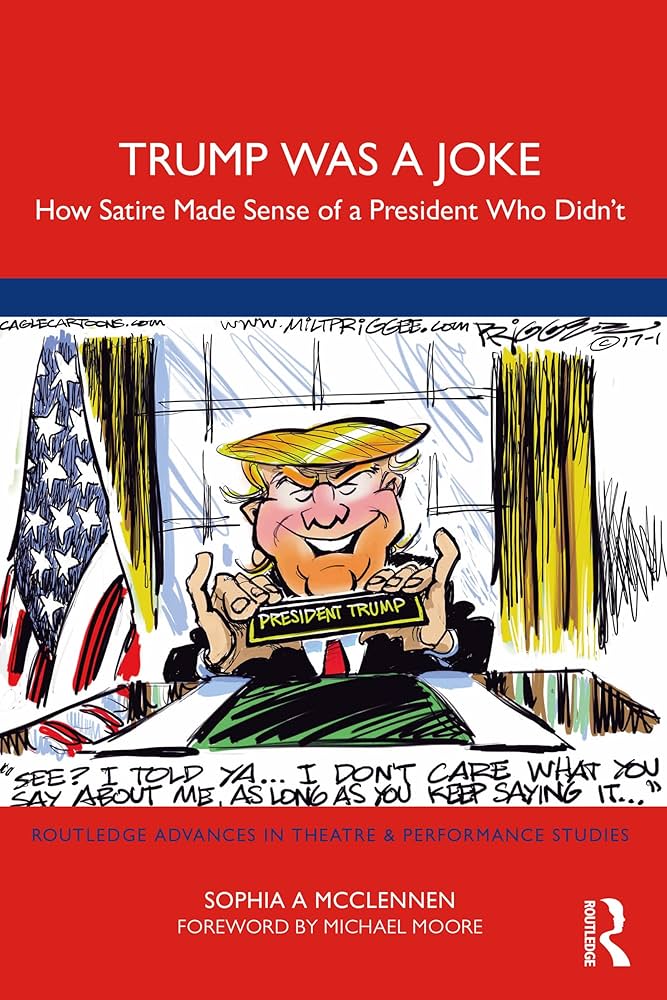
Written by a scholar of satire and politics, Trump Was a Joke explains why satire is an exceptional foil for absurd political times and why it did a particularly good job of making sense of Trump.
Covering a range of comedic interventions, it analyzes why political satire is surprisingly effective at keeping us sane when politics is making us crazy. Its goal is to highlight the unique power of political satire to encourage critical thinking, foster civic action, and further rational debate in moments of political hubris and hysteria. The book has been endorsed by Bassem Youssef, referred to as the Jon Stewart of Egypt, and Srdja Popovic, author of Blueprint for Revolution, who used satirical activism to bring down Serbian dictator Slobodan Milosevic.
With a foreword by award-winning filmmaker, satirist and activist Michael Moore, this study will be of interest to readers who follow politics and enjoy political comedy and will appeal to the communications, comedy studies, media studies, political science, rhetoric, cultural studies, and American studies markets.
Author/editor of 15 books; regular Salon columnist; featured in national and international media including CNN, NPR, BBC, CBC, Al Jazeera, and PBS NewsHour.
© 2026 Sophia McClennen. All rights reserved. Created by Argomedia INC
Author/editor of 15 books; regular Salon columnist; featured in national and international media including CNN, NPR, BBC, CBC, Al Jazeera, and PBS NewsHour.
© 2026 Sophia McClennen. All rights reserved. Created by Argomedia INC